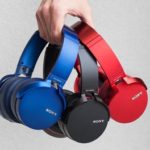
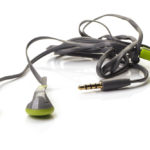
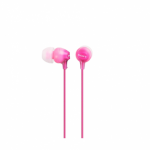
It is unlikely that one of the users knows that the design of the well-known in-ear headphones was borrowed from the medical center for hearing problems, but this is true - the ancestors are hearing aids and monitor headphones, which professional musicians have been using for many years. The best vacuum headphones are nothing more than improved and smaller copies of my grandmother's hearing aid.
Many music lovers who do not imagine their active life without the presence of miniature headphones in their ears are still confused in the correct name of these products. To fill these gaps, we strongly advise you to carefully read this article.
Content
In-ear headphones
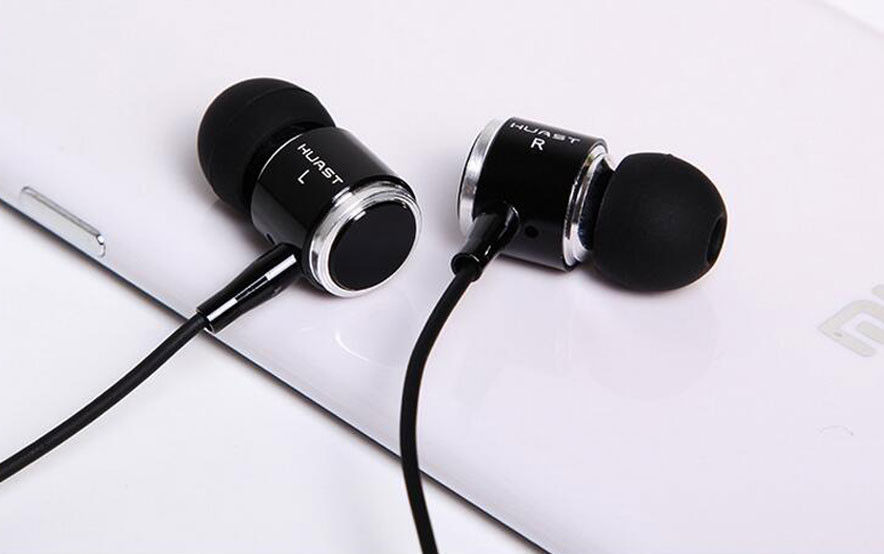
As soon as the people don’t call these devices with silicone nozzles: plugs, plugs, but it’s right to call them wire vacuum, because they nevertheless create with the help of nozzles some discharged atmosphere inside the ear canal, due to which they are tightly held auricle.
Another variety is insert tablets, which are inserted into the auricle and are held only by the ear pads of foam rubber; in some people, such devices constantly fall out, because the individual characteristics of the auricle do not allow them to stay in the indicated place for a long time. These budget devices are not very expensive, they are often bundled with mobile devices and do not differ in high technical parameters in quality.
The best earplugs from well-known manufacturers are used not only for a phone or a more advanced smartphone model, but are also used when listening to music, working on a laptop or for games.
Intra-channel devices
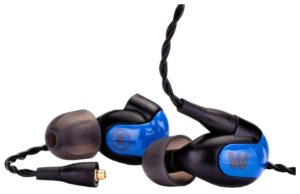
The name comes from the English In-Ear-Canalphone, abbreviated as IEMs - they are quite similar to the earbuds visually, but here is the difference from them: structurally they have a longer nose that goes deep into the ear canal and contributes to improved sound transmission. Ear pads are used to isolate from external noise and create a sound area or camera that enhances sound.
Some models can be specially created according to the casts of the ear canal of the owner - such products are characterized by maximum sound quality and have special listening comfort. In-channel options are often used as wireless, with a special case with a microphone, which is located on the neck, has a built-in high-capacity battery that guarantees battery life up to 20 hours.
Such products are quite expensive, but strong and durable, because they are made of high quality materials.
Which is better - intra-channel or conventional
There is no clear answer to this question, because consumers perceive the sound of the same products in different ways: some hear high and low, while others only have ringing in their ears and no bass. One thing can be said: they differ in that the former have much higher sealing and sound concentration. Soft, high-quality ear pads isolate external noise, which greatly improves the perception of transmitted sounds.
In-channel products are also distinguished by a large, in comparison with the earbuds, assortment of nozzles: if the device has a characteristic elongated nozzle-nozzle, then this is a more advanced version of miniature headphones. In technical terms, they transmit more high frequencies, but low they are quite weak.
The on-ear headphones in their characteristics can be much better and better or have separate parameters that are almost identical to the in-channel products - it all depends on the manufacturer and the cost of the model, it is quite difficult to compare them.
Advantages and disadvantages
The positive qualities of the earbuds are their own sound transmission power, this is achieved by the fact that the sound directly passes into the ear canal. By structure, experts divide them into two main types:
- Dynamic - they offer a fairly large range, but sonorous highs and booming low frequencies. This option is chosen for listening to musical compositions.
- The armature version gives a more detailed and clear sound, but the frequency range is much smaller than the first version. They are used by professionals and specialists in working with sound.
The pluses include the following properties:
- compactness, allowing you to carry them in your pocket;
- ease of use - good earbuds are not immediately noticeable, they do not have a headband that spoils the hair, the headgear does not interfere with their use;
- sound quality is not inferior to other headphones;
- low prices.
Minuses:
- poor sound insulation - quite loud sounds are still audible;
- same size for all.
In order to prevent them from falling out of their ears due to anatomical features, manufacturers include several spare ear pads with different diameters in the kit, even budget models can boast of this.
Main characteristics
Before choosing headphones, users should pay special attention to the following parameters:
- Connector - Wired mainly use a 3.5mm mini jack.
- Frequency characteristics - for medium-cost models, this indicator is within the range of 18 Hz - 20 thousand Hz, excellent, professional devices have a spread from 5 Hz to 60 thousand Hz.
- Sensitivity - this indicator is responsible for the sound volume.
- The maximum allowable power has a significant effect on the playback volume and its quality.
- Distortion level or harmonic coefficient - expressed as a percentage.
- Impedance or resistance, its average value is 30 ohms.
To buy normal products, for example, for listening to music, you must first determine where and how you are going to do it, at what cost you expect, what quality is more suitable for you.
Do not forget to carefully inspect the wires and fasteners - remember that cheap models often break due to the low strength of materials.
How to choose
Today, the proposed product range is so wide that users have a question: how to make the right choice, because it is quite difficult to figure out the numerous models from different manufacturers. To choose the best option, you need to have a general idea of the various selection criteria for headphones.
Type of ear pads
The material of these additional devices has a different density and affects the comfort of the use of the main products; they are supplied complete with different diameters and shapes. Made of foam, silicone or soft plastic:
- the first option is considered the most convenient, because it quickly adapts to the individual dimensions of the user's ear canal, but they quickly fail, it is impossible to clean them from ear wax, only replacement is required;
- silicone is comfortable, flexible, perfectly cleansed and can be used for quite some time;
- Soft plastic nozzles are less comfortable in their design because they are stiffer but more durable.
For some users, the structure of the ear canal is such that the third type of lining does not hold well in it.
Cable
The connecting cable of the headphones should be of sufficient length for comfortable use, be strong and at the same time flexible. Manufacturers usually use round wiring or a flat version, which is considered more convenient because it is less confused, easily curls and glides less on clothes.
Build quality
When buying, do not hesitate to make a thorough inspection, especially pay attention to the quality of the materials of the case, if it is plastic, then without burrs. In more expensive models, composite materials or metal are used, the assembly must be durable, and plastic glued without cracks.
Distortions
We have already talked about technical characteristics, therefore we skip them, we only draw the attention of consumers to the level of possible distortion, which grows in proportion to the mass of the speaker itself. Small products are less sensitive to distortions of any type - the internal weight of the internal devices is quite small, so the sound quality will be good.
Before choosing a model, you need to read a review on it on the Internet or familiarize yourself with testing for all the main parameters, as a rule, such a test is easy to find on almost any model on special sites.
Wired and wireless earplugs rating
We present to your attention the top 15 best models from the category of earplugs in three categories of cost in rubles.
Up to 1000
Panasonic RP-HJE125
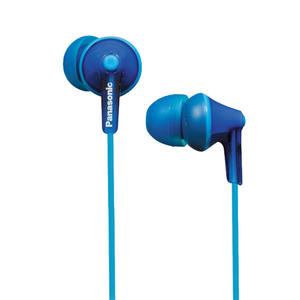
- Sensitivity: 97 dB / mW.
- Impedance: 16 Ω.
- Reproduced frequencies: 10 Hz - 20 kHz.
- Weight: 4g.
- Maximum power: 200 mW.
- Membrane diameter: 10 mm.
- Cable Length: 1.1m
- Type of construction: plug-in, closed.
- sound quality
- durable and comfortable wire
- quite comfortable sitting in their place
- affordable price
- not found
JBL C100SI
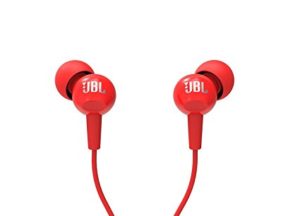
- Sensitivity: 103 dB / mW.
- Resistance: 16 ohms.
- Reproduced frequencies: 20-20000 Hz.
- Weight: 20g.
- Membrane diameter: 9 mm.
- Wire length: 1.2 m.
- Type of construction: with microphone, closed.
- clear sound
- microphone on wire
- telephone answer button
- quality ear pads
- low microphone
Sony MDR-EX15LP
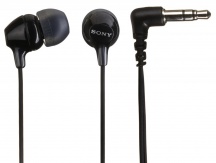
- Sensitivity: 100 dB / mW.
- Impedance: 16 Ω.
- Reproduced frequencies: 8 Hz - 22 kHz.
- Weight: 3g.
- Maximum power: 100 mW.
- Membrane diameter: 9 mm.
- Cable Length: 1.2m
- Type of construction: dynamic liners.
- classic design
- flat frequency response
- build quality
- sound detail
- wire dubbing in the cold
Awei A920BL
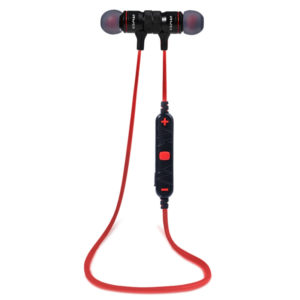
- Sensitivity: 110 dB / mW.
- Support: Bluetooth 4.0.
- Battery Life: 8 hours
- Weight: 26g.
- 10 yd range
- Waiting time 200 hours.
- Battery Charging Time: 2 hours
- Type of construction: wireless with a microphone on the wire between the speakers.
- good sound quality
- headphone magnets
- greater autonomy
- in case of loss of connection with the phone it turns off after a minute
- it is necessary to select ear pads for tight fixation in the auricle
Philips SHE3900
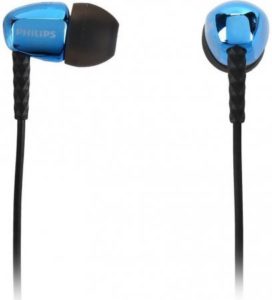
- Sensitivity: 107 dB / mW.
- Resistance: 16 ohms.
- Reproduced frequencies: 10 Hz - 22 kHz.
- Weight: 10g.
- Maximum power: 20 mW.
- Membrane diameter: 8.6 mm.
- Wire length: 1.2 m.
- Type of construction: plug-in, plugs.
- build quality
- comfortable wearing
- value for money
- wire strength
- not found in 2 years
Up to 2000
Sony MDR-XB50AP
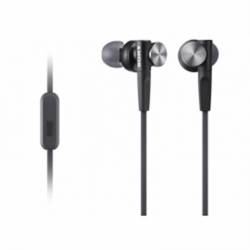
- Sensitivity: 106 dB / mW.
- Impedance: 40 Ω.
- Reproduced frequencies: 4-24000 Hz.
- Weight: 8g.
- Maximum power: 100 mW.
- Membrane diameter: 12 mm.
- Wire length: 1.2 m.
- Type of construction: with microphone.
- detailed layout of sounds
- original design
- quality of materials
- strong, not tangled wire
- no complaints
Sennheiser CX 200 Street II
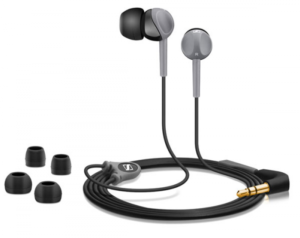
- Sensitivity: 110 dB / mW.
- Resistance: 16 ohms.
- Frequency range: 20 Hz - 20 kHz.
- Weight: 5g.
- THD: less than 0.2%.
- Cord length: 1.2 m.
- Type of construction: plug-in, closed.
- minimalist design
- sound quality
- material reliability
- high sound insulation
- non-freezing wire
- loose ear cushions
Many users mispronounce the name of a German company - it is read in Russian as Zenheiser.
JBL T110BT
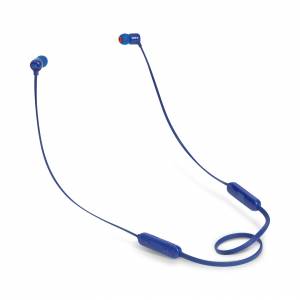
- Sensitivity: 96 dB / mW.
- Impedance: 16 Ω.
- Reproduced frequencies: 20 Hz - 20 kHz.
- Weight: 16.2 g.
- Battery capacity: 120 mAh.
- Membrane diameter: 8.6 mm.
- Autonomous work: 6 hours
- Type of construction: in-ear with microphone.
- clear sound
- greater autonomy
- securely sit in the auricle
- stable phone connection
- high volume margin
- for 2 years of use no
Philips SHE3855
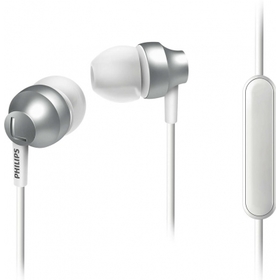
- Sensitivity: 107 dB / mW.
- Resistance: 28 ohms.
- Reproduced frequencies: 10-22000 Hz.
- Weight: 5g.
- Maximum power: 20 mW.
- Membrane diameter: 8.6 mm.
- Wire length: 1.2 m.
- Type of construction: plug-in (gag) with microphone, closed.
- attractive design
- built-in microphone
- excellent sound insulation
- material reliability
- L-shaped plug
- discomfort with long use
Xiaomi Basic (RM 25)
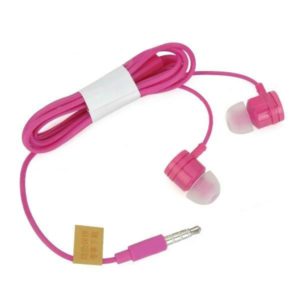
- Sensitivity: 93 dB / mW.
- Impedance: 16 Ω.
- Reproduced frequencies: 20 Hz — 20 kHz.
- Weight: 21 g.
- Cord: 1.2 m.
- Type of construction: plug-in with microphone.
- nice design
- famous brand
- fit tightly in place
- convenient to use
- high sound quality
- not found
Up to 3000
Sony MDR-EX450
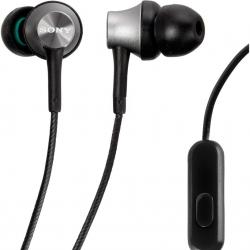
- Sensitivity: 106 dB / mW.
- Resistance: 40 ohms.
- Frequency range: 5-25000 Hz.
- Weight: 6 g.
- Optimum power: 100 mW.
- Membrane with a diameter: 12 mm.
- Wire length: 1.2 m.
- Type of construction: liners.
- excellent low and soft high
- high sensitivity allows use with mobile devices
- many options for ear pads
- G-shaped connector
- not found
Marshall mode
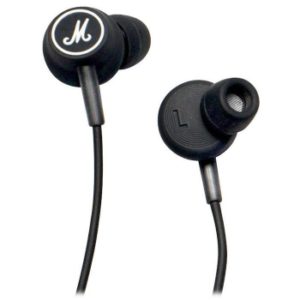
- Sensitivity: 99 dB / mW.
- Impedance: 39 Ω.
- Reproduced frequency: 20-20000 Hz.
- Weight: 9 g.
- Membrane size: 9 mm.
- Cord Length: 1.2m.
- Type of construction: closed liners.
- great sound
- microphone in an optimal place
- the wire is soft, not confused
- there is a control panel with a clothespin-clip made of metal
- good sound insulation
- not found
Sennheiser CX 2.00G
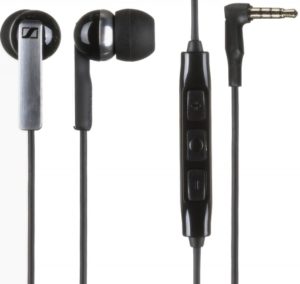
- Sensitivity: 119 dB / mW.
- Resistance: 28 ohms.
- Reproduced frequencies: 17 Hz - 20 kHz.
- Weight: 15g.
- Harmonic coefficient less than 0.5%.
- Wire length: 1.2 m.
- Type of construction: plug-in with microphone.
- concise design
- convenient microphone
- three button remote
- excellent sound insulation
- good sound with massive bass
- not found
Philips SHB5850
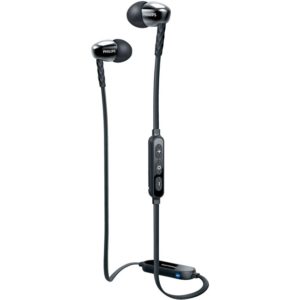
- Sensitivity: 107 dB / mW.
- Impedance: 16 Ω.
- Reproduced frequencies: 10 Hz - 21 kHz.
- Weight: 12 g.
- Maximum power: 20 mW.
- Membrane diameter: 8.6 mm.
- 10 yd range
- Design Type: Bluetooth Headphones with Microphone.
- lungs
- perfectly fit in the ears
- sound quality
- the remote works great
- powerful battery
- battery layout not thought out
Meizu EP51
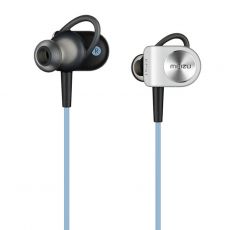
- Sensitivity: 88 dB / mW.
- Resistance: 16 ohms.
- Battery Life: 6 hours
- Weight: 15.3 g.
- Maximum power: 10 mW.
- Membrane diameter: 8.6 mm.
- 10 yd range
- Type of construction: plug-in, for sports.
- good sound
- sit tight and do not fly out
- voice dialing
- iPhone support
- high autonomy
- water protection
- not found
findings
The variety of excellent quality in-ear headphones with a microphone and without it can satisfy even the most fastidious buyer. There are budget developments that are not much inferior in the quality of materials, but whoever wants the highest sound quality, then be prepared for financial investments.
 |  |  |  |  |  |  |  |  |  |  |  |  |  |  |
|
| Title | Panasonic RP-HJE125 | JBL C100SI | Sony MDR-EX15LP | Awei A920B | Philips SHE3900 | Sony MDR-XB50AP | Sennheiser CX 200 Street II | JBL T110BT | Philips SHE3855 | Xiaomi Basic (RM 25) | Sony MDR-EX450 | Marshall mode | Sennheiser CX 2.00G | Philips SHB5850 | Meizu EP51 |
| Device type | headphones | headphone with mic | headphones | Bluetooth earphones with microphone | headphones | headphone with mic | headphones | Bluetooth earphones with microphone | headphone with mic | headphone with mic | headphones | headphone with mic | headphone with mic | Bluetooth earphones with microphone | Bluetooth earphones with microphone |
| Frequency Response Range | 10 - 24000 Hz | 20 - 20,000 Hz | 8 - 22000 Hz | 10 - 22000 Hz | 4 - 24000 Hz | 20 - 20,000 Hz | 20 - 20,000 Hz | 10 - 22000 Hz | 20 - 20,000 Hz | 5 - 25000 Hz | 20 - 20,000 Hz | 17 - 20,000 Hz | 10 - 21000 Hz | 20 - 20,000 Hz | |
| Sensitivity | 97 dB / mW | 103 dB / mW | 100 dB / mW | 107 dB | 106 dB / mW | 110 dB / V | 96 dB / mW | 107 dB | 93 dB | 106 dB / mW | 99 db | 119 dB | 107 dB | 88 db | |
| Impedance | 16 ohm | 16 ohm | 16 ohm | 16 ohm | 40 ohm | 16 ohm | 16 ohm | 28 ohm | 16 ohm | 40 ohm | 39 ohm | 28 ohm | 16 ohm | 16 ohm | |
| The weight | 4 g | 3 g | 8 g | 5 g | 16.2 g | 6 g | 15 g | 12 g | 15.3 g | ||||||
| Price | from 360 rub. | from 490 rub. | from 490 rub. | from 850 rub. | from 790 rub. | from 1450 rub. | from 1800 rub | from 1340 rub. | from 660 rub. | from 400 rub. | from 1570 rub. | from 2600 rub. | from 1850 rub. | from 2490 rub. | from 1790 rub. |