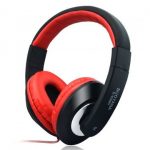
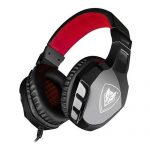
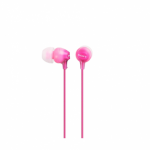
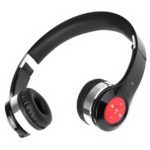
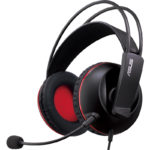
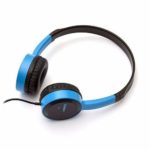
A few years ago, such modern developments as TV and headphones seemed completely incompatible things. Today, the market of electronic devices offers a huge assortment of accessories that are interfaced with large appliances for home spending time. How to choose the right device to watch TV?
What characteristics should the best “ears” of their segment have? In favor of what type of headphones to make your choice: wireless or with a long wire? The following article gives clear answers to these and other questions that arise in a person who has decided to purchase this accessory for a TV.
Content
The principle of operation of wireless and wired headphones for TV
In principle, the wired type of headphones does not have any features. The cable connects to the television port, and the broadcast of the sound of the TV signal to the "ears" of the user begins. The main advantage of this type of accessory is that they are usually inexpensive. However, it should be borne in mind that the presence of a wire, no matter how long it is, is a limiter for the owner. The need to stay at an average distance of 3-5 meters from the TV determines the logic of refusing to purchase bluetooth headphones in favor of the wired type solely with the intention of using the device to work on a computer.
Wireless, although they are considered less quality in sound transmission in comparison with their non-remote competitors, are much more popular among users pairing an accessory with a TV. According to the principle of operation, they are divided into several types:
- infrared;
- headphones;
- Bluetooth
- Wi-Fi - headphones.
IR headphones are inherently similar in design to a traditional remote control. When purchasing this type of gadget, it is worth bearing in mind the possibility of the correct operation of the accessory only if it is constantly located 6-10 meters from the signal source. Moreover, it is extremely important that during the work between the IR “ears” and the TV there are no foreign objects that can “knock down” the signal.
As the name implies, the radio headphones mean pairing with the Smart TV via radio waves. In this case, the device can be interrupted only by external waves or concrete walls. Reliability in signal transmission determines the increasing desire of satellite operators to launch their own brand model on the consumer market (for example, Tricolor TV is the manufacturer of the popular BFMH 101 radio headphones and so on).
Bluetooth headphones work in a maximum radius of 9-15 meters from the signal source. However, in addition to controlling the permissible distance from the TV, the user does not need to be distracted from his studies to check other characteristics of the headphones, which is undoubtedly a plus of the described type of device.
When acquiring Wi-Fi “ears”, it is worth bearing in mind the existing probability of the influence of weather, third-party electrical devices, and so on on their correct operation. Otherwise, with a stable Internet connection, this type of headphones will bring exclusively positive emotions to the user from the operation of the described accessory.
Key Features
It is important to understand that often, focusing the attention of the consumer on certain indicators of the product, the manufacturer deliberately misleads him, indicating only the numbers that are “heard” by people. A potential buyer should base his decision on the main characteristics of the device, which are not always indicated on the product packaging:
- Frequency - an indicator reflecting the general range of frequencies reproduced by the device. You should not make this criterion decisive in the choice of “ears”, because suppliers do not indicate detailed, more specific information that formed the mentioned frequency response (equipment for testing, conditions, and so on).
- However, the frequency range indicated on the product’s packaging can be of more benefit if it is evaluated together with the amplitude-frequency response, allowing the user to choose the best option for their goals (listening to heavy music - bass, emphasis on the voices of the broadcasts - the average frequency response, and so on) .
- The impedance of the “ears” illustrates the level of resistance to the signal at the input of the accessory. This characteristic is one of the determining indicators of the device’s volume.
- Headphone sensitivity most accurately reflects the maximum volume level. Accordingly, for maximum immersion in the process when watching movies, listening to music or games, it is worth giving preference to “ears” with high sensitivity and low resistance.
- The SOI, or the coefficient of non-linear distortion, can guide a potential buyer by the average degree of possible distortion of the transmitted audio signal. It would be logical to opt for headphones with a minimum THD, guaranteeing the highest quality sound.
How to choose
Given the widest range of products offered by the manufacturer today, the consumer should clearly define the goals for which he plans to use the device he chooses. First of all, pay attention to:
- cable length;
- type of wireless connection;
- type of device;
- power;
- functionality.
Having decided to invest in the purchase of cable headphones, it is important to make sure that they are equipped with the longest possible cable, at least 6-7 meters. A cable of a smaller size will significantly limit and constrain the user, forcing him to sit “close” to the TV screen. Moreover, it must be flexible, preferably removable, which guarantees a longer service life of the device.
Making a choice in favor of wireless “ears”, it is advisable to dwell on Bluetooth or Wi-Fi type of connection, due to the maximum radius of the “hold” signal and the minimum likelihood of interference, external noise or incorrect operation of the device.
Speaking about the type of device planned for purchase, it is worth giving preference to over-ear headphones of a closed or half-closed type, providing maximum surround sound and high-quality sound insulation; in the case of a wired type of "ears", the best in their segment are devices of a one-sided appearance.
The power of the purchased headphones must be selected, taking into account the capabilities of the sound signal of the TV (not more than 50,000 mW). It is important to monitor the compliance of this indicator with the maximum specified by the manufacturer for the “ears”. The aforementioned measure will help prevent the rapid wear of the “ears” when they are regularly paired with digital technology.
The functionality of the device to be selected should be based on the user's needs. For example, when living in a one-room apartment with a small child, parents in order to watch TV in the evenings should pay attention to the “for two” headphones sold as a pair in the basic configuration.
Advantages and disadvantages
Having made an informed decision on the purchase of specific "ears", the user should make sure that there are no most typical disadvantages of the product for listening to audio from TV.
For cable accessory:
- short wire, creating severe restrictions on movement during operation;
- low level of sound insulation.
For wireless "ears":
- loss of sound quality compared to a wired analogue;
- the need for periodic "recharging".
In addition to the obvious disadvantages of the product, it is worth evaluating the quantity and quality of the positive aspects of the selected headphone model.
For a wired device:
- the ability to connect to a traditional TV audio output;
- the most accurate preservation of the sound quality of the sound signal;
- placing the volume control on the wire.
For wireless headphones:
- lack of wires restricting movement and movement during their use;
- high-quality sound insulation due to massive construction;
- higher noise reduction of the microphone compared to the cable counterpart.
Rating of wireless headphones for TV
Among the huge variety of TV headphones currently on the electronics market, there are still top models that create a kind of rating for products in their segment.
Panasonic RP-HT090 E-H
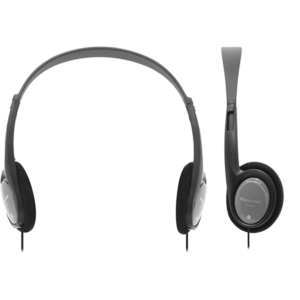
- Ear Cushion Type: Overhead
- Type of acoustic design: open
- Membrane Diameter: 30mm
- Headphone sensitivity: 100dB
- Impedance: 24 ohms
- Frequency range: 14 Hz - 24 kHz
- Cable length: 5m
- convenient location of the volume control on the cable;
- low cost;
- long wire.
- "Tight" headband handle, causing discomfort during long-term use;
- the presence of gaps in the places where the cable enters the ears themselves.
Note: ideal for the elderly (loud sound) or other people who want to get a minimum set of standard features for little money.
Basic features at a low cost.
Philips SHP2500
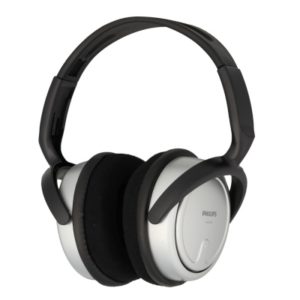
- Ear Cushion Type: Overhead
- Type of acoustic design: closed
- Membrane diameter: 40mm
- Headphone sensitivity: 106dB
- Impedance: 32 ohms
- Frequency range: 15 Hz - 22 kHz
- Cable length: 6m
- convenient location of the volume control on the cable;
- advanced equipment;
- high-quality sound transmission;
- long wire.
- low level of sound insulation;
- quiet
- "Hard" headband, delivering pain during prolonged use;
- the presence of a creak.
Note: ideal for people looking for the basic characteristics of cable headphones, which are necessary exclusively for watching TV, without disturbing others.
A full-sized accessory, not inferior in quality to analogues of popular companies in its price category (for example, LG).
Pioneer SE-M631TV
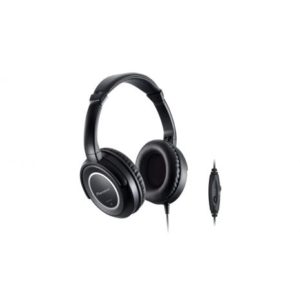
- Ear Cushion Type: Overhead
- Type of acoustic design: closed
- Membrane diameter: 40mm
- Headphone sensitivity: 98dB
- Impedance: 32 ohms
- Frequency range: 8 Hz - 25 kHz
- Cable length: 5m
- convenient location of the volume control on the cable;
- high sound quality;
- long wire.
- fragile accessory design;
- primitive design for its price range.
Note: due to high-quality sound and high sound insulation, these headphones are ideal for those who wish not only to watch television programs in them, but also to listen to music of various directions.
A high level of sound insulation created by “ears” comfortable in long-term use.
Pioneer SE-CL621TV
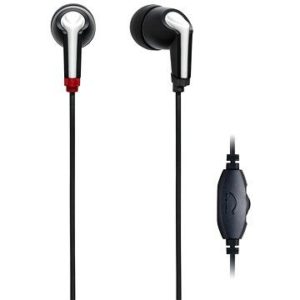
- Ear Pads Type: Earbud
- Type of acoustic design: closed
- Membrane diameter: 8mm
- Headphone sensitivity: 102dB
- Impedance: 32 ohms
- Frequency range: 10 Hz - 22 kHz
- Cable length: 5m
- convenient location of the volume control on the cable;
- interchangeable ear pads as standard;
- high-quality noise reduction;
- long wire.
- ill-conceived design.
Note: perfect value for money.
“Plug-in ears”, not inferior in terms of the level of audio transmission to their full-size counterparts.
Wired Headphone Rating for TV
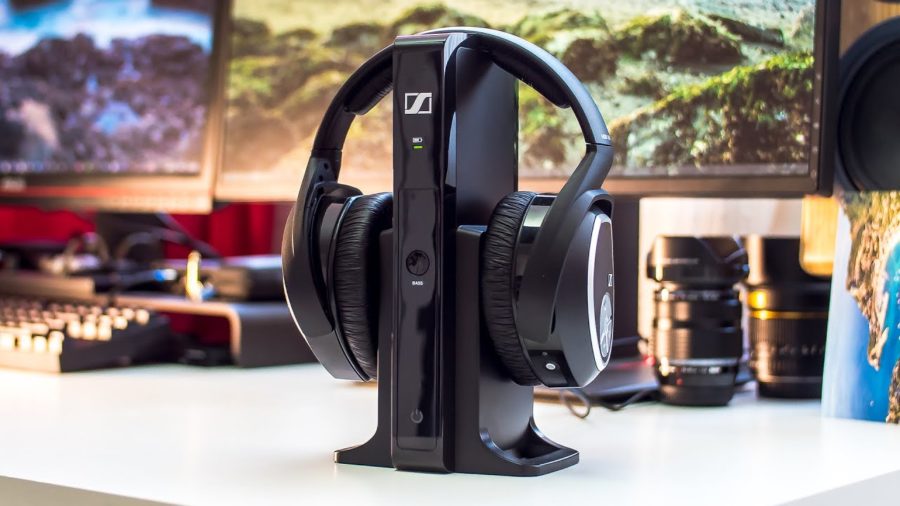
Sennheiser RS 165
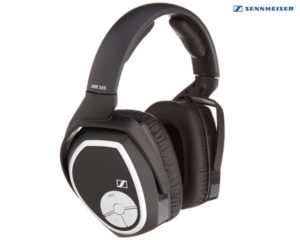
- Ear Cushion Type: Overhead
- Type of acoustic design: closed
- Communication Type: Radio Channel
- Headphone sensitivity: 106dB
- Impedance: 32 ohms
- Frequency range: 18 Hz - 21 kHz
- 30 yd range
- design;
- ease of connection and use;
- long battery life.
- the presence of insignificant extraneous noise;
- "Modest" equipment;
- with a low charge, sound interruption is possible.
An excellent alternative to its analogue with an optical input, not inferior in technical specifications.
Philips SHC1300
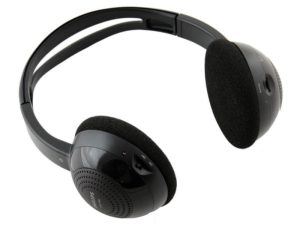
- Ear Cushion Type: Overhead
- Type of acoustic design: closed
- Communication Type: IR
- Headphone sensitivity: 108dB
- Impedance: 32 ohms
- Frequency range: 18 Hz - 20 kHz
- Radius: 7 yards
- acceptable sound quality (only when installing the necessary drivers);
- low cost;
- steady reception for earphones of the price category.
- low battery life;
- poor soundproofing;
- possible buzz when using the accessory near an energy-saving light bulb.
IR Headphones for a lowly user.
Samsung EO-BG950 U Flex
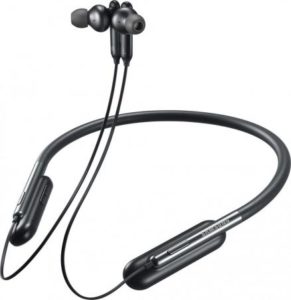
- Ear Cushion Type: In-Ear
- Type of acoustic design: open
- Communication Type: Bluetooth
- Headphone sensitivity: 98dB
- Impedance: 32 ohms
- Frequency range: 20 Hz - 20 kHz
- 10 yd range
- the presence of a high-class microphone in its properties;
- long battery life;
- “Soft” headband design;
- high-quality surround sound.
- incorrect work with gadgets of another brand;
- “Flimsy” cable entry into the ears themselves.
Stylish Bluetooth headphones that you want to wear without taking off.
Sony WH-1000XM2

- Ear Cushion Type: Overhead
- Type of acoustic design: closed
- Communication Type: Bluetooth
- Headphone sensitivity: 103dB
- Impedance: 46 Ohm
- Frequency range: 4 Hz - 40 kHz
- 10 yd range
- high-quality noise reduction;
- advanced equipment;
- balanced sound transmission;
- touch control.
- high cost of accessory;
- massive construction;
- short charging cable of the device.
Full-size premium headphones that combine sound quality, ease of use and wearing comfort.
No matter what kind of headphones the user has “laid down” at first glance - cable or wireless, Sony or Philips, the decisive criterion in this matter should be the technical components, and not the design. Having studied this article, the buyer can easily choose for himself the ideal "ears" that fully satisfy the stated needs.
 |  |  |  |  |  |  |  |
|
| Title | Panasonic RP-HT090 E-H | Philips SHP2500 | Pioneer SE-M631TV | Pioneer SE-CL621TV | Sennheiser RS 165 | Philips SHC1300 | Samsung EO-BG950 U Flex | Sony WH-1000XM2 |
| Frequency Response Range | 16 - 22000 Hz | 15 - 22000 Hz | 8 - 25000 Hz | 10 - 22000 Hz | 18 - 21000 Hz | 18 - 20,000 Hz | - | 4 - 40,000 Hz |
| Sensitivity | 100 dB | 106 dB | 98 dB | 102 dB | 106 dB | 108 dB | - | 103 dB |
| Impedance | 24 ohm | 32 ohm | 32 ohm | 32 ohm | 32 ohm | 32 ohm | - | 46 ohm |
| The weight | 60 g | 283 g | 155 g | 4 g | 300 g | 410 g | 51 g | 275 g |
| Membrane diameter | 30 mm | 40 mm | 40 mm | 8 mm | - | 32 mm | 11 mm | 40 mm |
| Price | from 850 rub. | from 900 rub. | from 2700 rub. | from 1500 rub. | from 8150 rub. | from 1750 rub. | from 3450 rub. | from 19900 rub. |