We’ll deal with terminology first. Any modern camera is called digital because the resulting image is processed by a digital processor and stored in the camera’s internal memory or on a memory card. Old cameras imprinted the resulting image on film, and therefore are called film.
A digital camera in everyday life is called a compact, or, popularly, a “soap box”. Recently, a new type of camera has entered the market - mirrorless, which will also be discussed in this article.
Content
The device and features of SLR cameras
SLR cameras are the oldest photographic devices currently in use. This device owes its name to the mirror mechanism, which provides image capture, its adjustment and storage on the medium. Any SLR camera consists of two parts:
- a lens;
- corps.
Lens device
The camera lens consists of many lenses arranged in parallel, and a diaphragm. In the process, the photographer has the ability to adjust the distance between the lenses, thereby approximating or removing objects. Aperture control allows you to adjust the flow of light through the lens, thereby changing the brightness and contrast of the image.
Professional SLR cameras have a removable lens. This is done so that the photographer can use several lenses for various purposes. So, there are telescopic lenses that allow you to shoot objects from afar. Such a device is ideal for observing wild animals or people who do not need to know that they are being photographed. And there are wide-angle lenses created for shooting landscapes and panoramas. Technically, lenses are distinguished by a set of lenses and aperture structure. Some lenses have a built-in auto focus motor, which are used with housings without such a function.
The lenses are attached to the body using a bayonet mount - a special mount that is unique to each manufacturer. Therefore, installing the lens of one well-known brand on the body of another reputable manufacturer of photographic equipment will not work. But there are also little-known manufacturers of photographic equipment who are not squeamish about creating lenses for the mounts of their well-known competitors.
The device body of the SLR camera
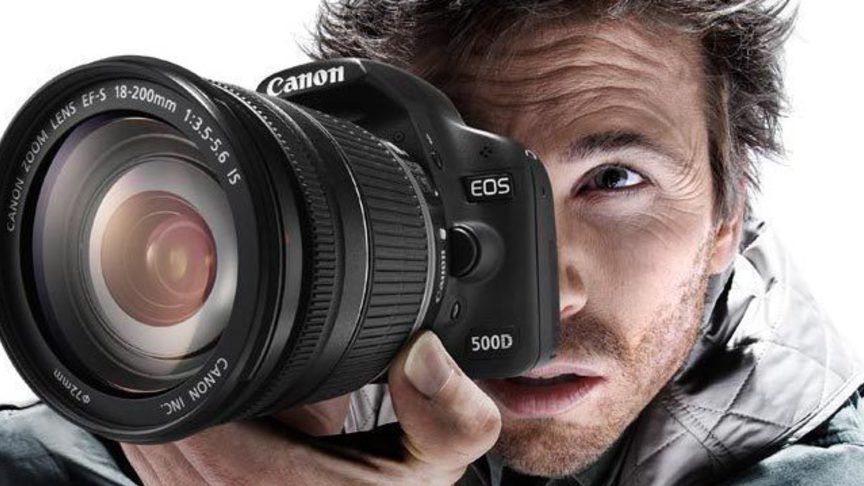
The camera body contains a matrix, a mirror mechanism, a viewfinder and most buttons with a control lever for the device.
When the light refracted by the lenses of the lens enters the camera body, it encounters a translucent mirror - the first element of the camera’s mirror mechanism. Part of the light is beaten off from a translucent mirror and falls on the upper mirror system, which adequately flips the image and beats on the viewfinder, through which the photographer observes the subject. Another part of the light hits another mirror and beats on the auto focus sensor. This device allows the camera to almost instantly focus on the subject. The photographer also has the ability to control the focus sensor. In particular, it is necessary for the implementation of classical techniques of photographic art - focusing on one object and blurring the rest.
When the photographer determines his exposure and presses the shutter of the photographic mechanism, a translucent mirror rises, and the light from the lens and the focus sensor directly enters the matrix, which processes the image into electronic pulses and stores it on the medium.
Expensive DSLRs are equipped with an additional viewfinder display, which displays the exposure directly as it is, so that the photographer can compare the real picture with what the matrix can process.
Functional Features of SLR Cameras
Thanks to its spacious body, SLR cameras have the largest matrix, and the quality of future photos depends on its size. Detachable lenses allow the photographer to customize the image as they wish, apply effects and realize any creative design. SLR cameras focus quickly, which is ideal for cascading and motion photography.
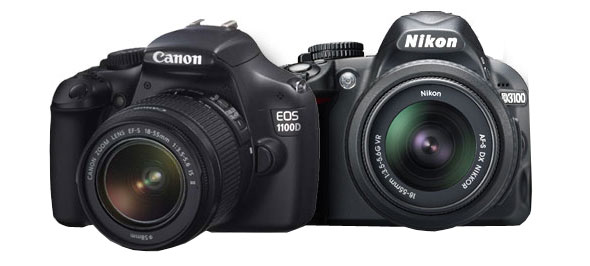
But SLR cameras have their drawbacks:
- The cost of a SLR starts at 15,000 rubles, and this is for an amateur model. A good professional SLR will cost from 30,000 rubles.
- You need to be able to use a SLR camera. If you just point and press the shutter, good photos will not work.
- The DSLR is not ready for shooting as soon as it is taken out of the bag. It requires adjustment and care, so if the photographer does not wear the camera on his neck all the time, it will not work to capture the suddenly seen object.
- SLR cameras are weighty and voluminous. It is difficult to fit into a bag full of clothes or a briefcase.
The device and features of compact cameras
Compact cameras lack a mirror mechanism and an optical focus sensor. Such a device is integral, its lens is an integral part of the device. Passing through such a lens, light enters the matrix and image processing occurs. The compact makes most of the important image settings automatically. A photographer can only affect digital zoom, that is, choose the range of photography, as well as apply amateur software effects like sepia and negativity. Digital zoom exists only virtually, so as you zoom in, quality is noticeably lost. When you press the shutter, the shutter of the lens opens and light enters the matrix. In this case, automatic electronic focusing takes a long time. To prevent the frame from being blurry, you should hold the lens on the subject until it is fully focused.
More expensive compacts have advanced lenses that look like DSLR lenses. Such lenses, in addition to digital, are equipped with optical zoom, which can zoom in a short distance without loss of quality.
Due to its simplicity and lack of manual tuning, compacts are not professional and have always remained the destiny of an amateur.
Functional features of compacts
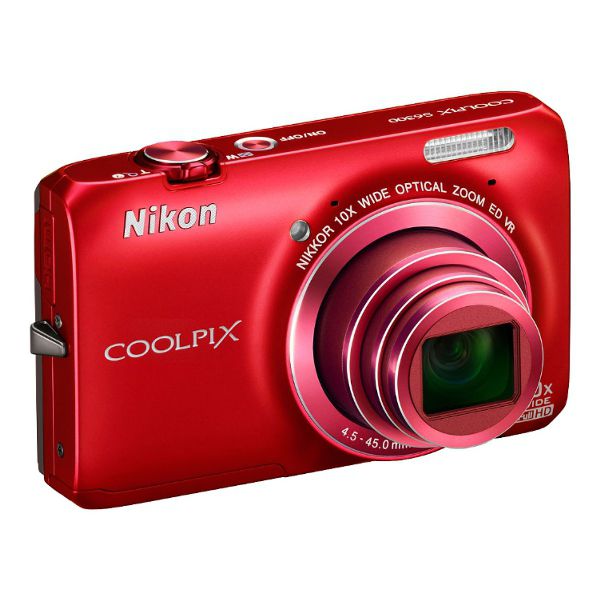
Compacts are very light and small. They easily fit in the pocket of a shirt or pants. The compact is always ready for work - you just need to get it and press the shutter release. A high-quality compact camera provides a satisfactory quality home photo format up to A4. Compacts are multifunctional. In addition to photography, they can shoot video, and some can be used as a music player.
Thanks to a simpler mechanism, a compact camera is much cheaper than its mirror-assembled counterpart. There are models on the market worth from 4000 rubles.
But compacts, like SLRs, are not without flaws:
- The compact owes its small size to a small matrix, which affects the image quality.
- The lack of a mirror mechanism affects long exposure. Often the photographer twitches his hand, and the picture is blurred.
- In automatic mode, the compact does not always take off as the photographer sees.
Features of mirrorless cameras
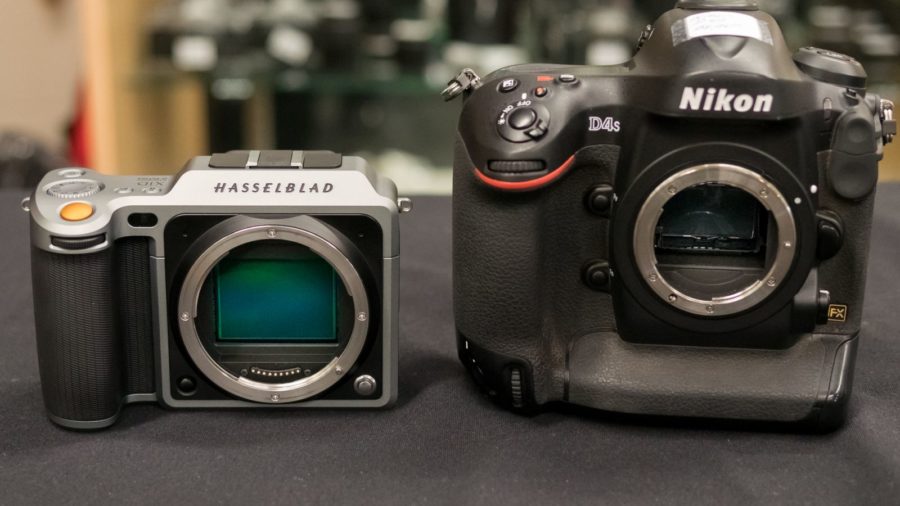
Mirrorless, or non-mirroring, is a professional component camera, which consists of a body and a conventional lens, but does not have a mirror mechanism. As in the compact, light through the lens immediately hits the matrix, and the photographer sees only the processed image through the display. Lenses of non-mirror cameras are in no way inferior to their mirror counterparts, but the focusing speed in them is noticeably lower than in mirror devices. However, this is enough to create high-quality professional personnel.
The price of non-mirror models is slightly lower than mirror ones. But the main advantage of non-mirror cameras is light weight. Although the continuous improvement of the auto focus mechanism and an increase in the functionality of the camera leads to an increase in their weight. At the same time, mirror models are learning to make everything easier and easier. Therefore, it cannot be said that mirrorless cameras displace SLR cameras.
So it’s impossible to say which camera is better. Here, most likely, the matter is in habit, than in real technical superiority. The most important thing is to buy a camera that will be comfortable, well lying in the hand and understandable to its owner. And you can learn the rest.


